
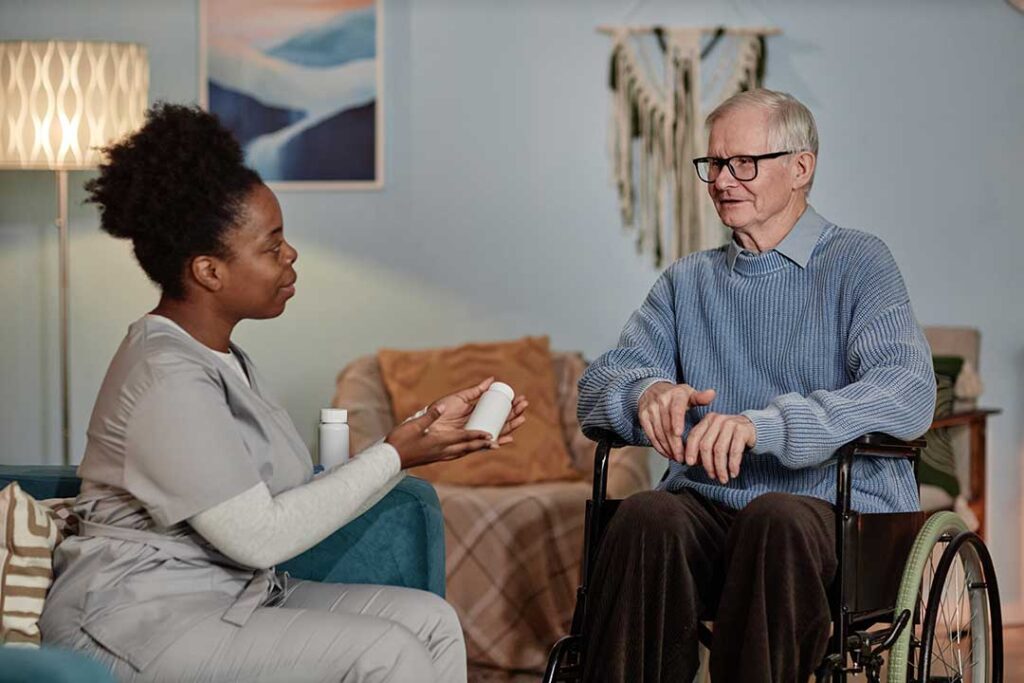
What changes suggest that a loved one may need more support?
A loved one may need additional support when ordinary activities become unsafe, inconsistent, or exhausting. The clearest signs often involve bathing, dressing, eating, walking, managing medicine, keeping the home safe, or making sound decisions.
One difficult day does not always mean a major change is needed. Look for patterns that continue over several weeks, repeated incidents, or a noticeable difference from the person’s usual routine. The National Institute on Aging identifies changes in hygiene, nutrition, medication use, mobility, memory, mood, and household safety as reasons to look more closely. ([nia.nih.gov](https://www.nia.nih.gov/health/caregiving/does-older-adult-your-life-need-help?utm_source=openai))
Are daily tasks becoming difficult or unsafe?
Trouble with personal care is one of the most practical indicators that more help may be appropriate. These activities are often called activities of daily living, or ADLs.
Watch for changes such as:
- Needing help getting in or out of bed or a chair
- Avoiding showers because of fear of falling
- Wearing the same clothing for several days
- Difficulty using the toilet safely
- Forgetting to eat, drink, or prepare meals
- Struggling to brush teeth, groom, or manage hearing aids
- Becoming unusually tired after routine tasks
A person may still be able to complete an activity but require much more time, supervision, or physical effort. That can be just as meaningful as being unable to complete it independently.
For households in Uniontown, seasonal conditions may add difficulty. Snow, ice, wet floors, heavy clothing, and reduced daylight can make walking, bathing, shopping, and getting to appointments more hazardous. A person who manages well in mild weather may need additional assistance during winter conditions.
What household changes should families notice?
The home often shows signs of changing support needs before a loved one directly asks for help. During a visit, look beyond whether the home appears generally clean.
Possible warning signs include:
- Spoiled food, an empty refrigerator, or many unopened packages
- Burn marks on cookware or evidence that the stove was left on
- Unpaid bills, unopened mail, or repeated late notices
- Clutter or loose rugs creating tripping hazards
- Laundry or trash accumulating unusually
- Medication bottles that are empty, untouched, or used too quickly
- Water damage, broken appliances, or rooms that are no longer being used safely
These changes do not prove that someone can no longer live independently. Vision problems, arthritis, depression, medication side effects, financial stress, or a recent illness can create similar difficulties. The goal is to identify what is getting in the way and whether a practical adjustment could restore safety.
Are falls, weakness, or mobility changes becoming more common?
A fall, near-fall, or new fear of walking deserves attention. Falls are not an unavoidable part of aging, and they can cause serious injuries. The CDC recommends looking at home hazards, vision, footwear, strength, balance, and medications when assessing fall risk. ([cdc.gov](https://www.cdc.gov/vision-health/prevention/older-adult-falls.html?utm_source=openai))
Other mobility warning signs include:
- Holding onto walls or furniture while walking
- Shuffling, limping, or taking much shorter steps
- Avoiding stairs, bathing, or leaving the home
- Needing several attempts to stand up
- Becoming breathless or exhausted after short distances
- No longer carrying groceries, taking out trash, or managing ordinary household tasks
A sudden change in balance, walking, strength, or alertness should be addressed promptly because it may reflect an injury, infection, stroke, medication problem, or another medical issue. Sudden weakness, facial drooping, speech difficulty, chest pain, severe shortness of breath, or a serious fall requires emergency help.
How do memory and judgment changes differ from normal forgetfulness?
Occasionally forgetting a name or misplacing keys can happen with normal aging. Greater concern arises when memory or thinking problems interfere with safety, responsibilities, or familiar routines.
Examples include:
- Getting lost on familiar roads or in familiar places
- Repeating the same questions within a short period
- Forgetting meals, appointments, or important instructions
- Paying the same bill multiple times
- Falling for unusual financial requests
- Leaving water running or appliances turned on
- Showing major personality or judgment changes
- Becoming confused about the date, location, or people nearby

Memory loss should not automatically be labeled dementia. Hearing loss, poor sleep, depression, medication effects, dehydration, infection, and other health conditions can affect thinking. A medical evaluation can help identify treatable causes and clarify what type of assistance is appropriate. The National Institute on Aging distinguishes ordinary age-related forgetfulness from changes that interfere with daily life and decision-making. ([nia.nih.gov](https://www.nia.nih.gov/health/memory-loss-and-forgetfulness/memory-forgetfulness-and-aging-whats-normal-and-whats-not?utm_source=openai))
Could loneliness or mood changes be part of the problem?
A person may need more support even when physical abilities appear mostly intact. Depression, anxiety, grief, and isolation can lead to missed meals, poor hygiene, medication problems, inactivity, and withdrawal from people or activities.
Pay attention if a loved one:
- Stops answering calls or welcoming visitors
- Loses interest in hobbies or regular routines
- Sleeps much more or much less
- Eats significantly more or less
- Appears persistently sad, fearful, irritable, or hopeless
- Says life is not worth living or expresses thoughts of self-harm
Statements about suicide or immediate danger require urgent action. Call or text 988 for the Suicide & Crisis Lifeline, or call emergency services when there is an immediate threat. Depression in later life is not simply a normal part of aging and may be treatable. ([nia.nih.gov](https://www.nia.nih.gov/health/depression-and-older-adults?utm_source=openai))
How can family members start the conversation?
Begin with specific observations rather than a judgment about independence. “I noticed the steps were harder for you this week” is usually more productive than “You cannot live alone anymore.”
Helpful questions include:
- Which parts of the day feel most difficult?
- What tasks are taking longer than they used to?
- Have there been any falls, near-falls, or medication mix-ups?
- What kind of help would feel acceptable?
- Would assistance at certain times of day make things easier?
- What would help you remain involved in decisions?
Write down dates, examples, falls, missed medications, appetite changes, and questions for the person’s medical provider. A written record helps separate a temporary problem from a continuing pattern.
Does needing more help automatically mean assisted living?
No. Support needs can often be addressed in stages. Depending on the situation, options may include family check-ins, safer home arrangements, meal assistance, transportation support, medication organization, physical therapy, adult day programs, respite care, or help with personal care. The right level depends on safety, health needs, preferences, finances, and the reliability of available support. ([nia.nih.gov](https://www.nia.nih.gov/health/caregiving/services-older-adults-living-home?utm_source=openai))
Assisted living may become a consideration when a person needs regular help with several daily activities, cannot safely manage alone, experiences repeated falls or emergencies, or places an unsustainable burden on family caregivers. The decision should focus on actual needs rather than age alone. A person who needs help with bathing but manages medications, meals, and judgment may require a different plan from someone who is frequently confused or unsafe without supervision.
Recognizing changes early allows families in Uniontown to discuss choices while the loved one can still express preferences and participate in planning.
