
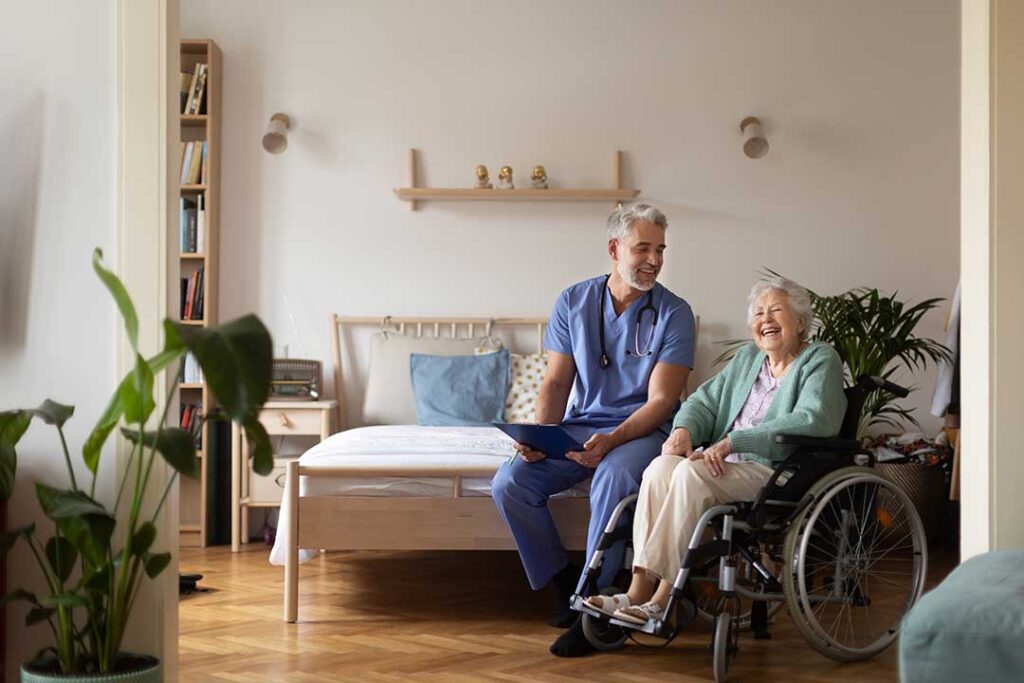
Assisted living is a residential setting for adults who need help with some daily activities but do not require the continuous medical care provided by a nursing facility. For families in Uniontown, PA, it can provide a middle ground between living completely independently and moving into skilled nursing care.
Assisted living combines housing, meals, personal assistance, supervision, activities, and access to health-related services. The exact services, staffing, costs, and admission rules vary by residence, so understanding the basics is essential before comparing options.
What does assisted living provide?
Assisted living generally supports people with routine activities while allowing them to retain as much independence and decision-making as possible. A resident may live in a private or shared apartment or room and receive assistance according to an individualized assessment.
Common services may include:
- Help with bathing, dressing, grooming, toileting, and transferring
- Assistance with walking or moving safely between a bed, chair, and bathroom
- Medication reminders or medication administration
- Meals, snacks, and help with eating or drinking
- Housekeeping and laundry
- Transportation arrangements
- Wellness checks and supervision
- Help scheduling medical appointments
- Social, recreational, and educational activities
Pennsylvania describes assisted living residences as settings that may serve people with higher care needs than personal care homes while still not requiring 24-hour nursing care. The goal is to support aging in place, independence, personal choice, and participation in everyday decisions. ([pa.gov](https://www.pa.gov/agencies/dhs/resources/aging-physical-disabilities/personal-care-homes?utm_source=openai))
Who is assisted living designed for?
Assisted living may be appropriate for an adult who can no longer manage safely at home but does not need a skilled nursing facility. For example, a person may have difficulty preparing meals, remembering medications, navigating stairs, bathing, or maintaining a safe household.
A move may deserve consideration when:
- Falls or near-falls are becoming more frequent
- Unpaid bills, spoiled food, or missed medications are becoming a pattern
- Personal hygiene has noticeably declined
- Household maintenance has become unsafe or overwhelming
- Family caregivers are providing increasingly complex daily help
- Isolation, confusion, or difficulty responding to emergencies is increasing
Needing assistance does not automatically mean that assisted living is the right setting. A person with unstable medical needs, complex wounds, frequent skilled treatments, or a need for around-the-clock nursing may require a different level of care.
How is assisted living different from a nursing home?
Assisted living is primarily a residential and supportive-care setting. A nursing home is a medical care setting intended for people who need ongoing skilled nursing, rehabilitation, or more intensive clinical supervision.
The distinction is not based only on age. It depends on the person’s health needs, mobility, cognition, medication requirements, and ability to respond to emergencies.
Assisted living may include access to nurses or outside health professionals, but it is not the same as having continuous nursing care. Medicare explains that most long-term care is non-medical and generally does not cover room, board, or routine long-term care services in an assisted living setting. ([medicare.gov](https://www.medicare.gov/coverage/long-term-care?utm_source=openai))
What is the difference between assisted living and a personal care home in Pennsylvania?
Pennsylvania uses separate licensing categories for personal care homes and assisted living residences. Both may provide housing, meals, supervision, and help with personal care tasks.
Personal care homes generally serve adults who need assistance or supervision but do not require 24-hour nursing care. Assisted living residences can serve some residents with greater care needs and have additional requirements related to aging in place, resident choice, physical plant features, staffing, and health services. ([pa.gov](https://www.pa.gov/agencies/dhs/resources/aging-physical-disabilities/personal-care-homes?utm_source=openai))
The words used in advertisements may not always clearly identify the license type. Families should verify whether a residence is licensed as a personal care home, an assisted living residence, or another type of facility.
In Pennsylvania, the Department of Human Services licenses and regulates both categories. The state conducts inspections and investigates complaints and unusual incidents. The applicable regulations are found in 55 Pa. Code Chapter 2600 for personal care homes and Chapter 2800 for assisted living residences. ([pa.gov](https://www.pa.gov/agencies/dhs/resources/licensing/pch-alr-licensing?utm_source=openai))
How much does assisted living cost?
There is no single statewide or local price because monthly charges depend on the residence, apartment type, staffing model, included services, and amount of help required.
A written cost estimate should identify:
- Base monthly rent
- Personal care or service-level charges
- Medication management fees
- One-time admission or community fees
- Transportation costs
- Laundry, personal supplies, or special meal charges
- Charges for higher levels of care
- Guest, pet, or parking rules, if applicable
- What happens if care needs increase

In Pennsylvania, personal care homes and assisted living residences are typically not covered by Medicaid as a general room-and-board benefit, and most residents pay privately. Some residents may receive other assistance depending on their eligibility and circumstances. ([pa.gov](https://www.pa.gov/agencies/dhs/resources/aging-physical-disabilities/personal-care-homes?utm_source=openai))
Medicare generally does not pay for custodial long-term care, even when that care is provided in an assisted living community. Families may need to consider savings, retirement income, long-term care insurance, veterans’ benefits where applicable, or state assistance programs.
What should families ask before choosing a residence?
A tour should focus on ordinary daily life, not only the appearance of common areas. Pennsylvania recommends visiting at different times, reviewing contracts, observing meals and activities, asking about staffing, and speaking with residents and staff. ([pa.gov](https://www.pa.gov/agencies/dhs/resources/aging-physical-disabilities/personal-care-homes?utm_source=openai))
Useful questions include:
- Is the residence currently licensed and in good standing?
- How are care needs assessed before admission?
- Is there a written support plan, and how often is it updated?
- Who is available overnight?
- What happens after a fall, hospitalization, or sudden change in condition?
- How are medications stored and administered?
- Are residents encouraged to make their own choices?
- What training do direct-care staff receive?
- How long have staff members typically worked there?
- Are there additional fees for bathing, transfers, dementia support, or medication help?
- What conditions could require a resident to move elsewhere?
- How are emergencies handled during winter storms, power outages, or transportation disruptions?
Seasonal conditions matter in the region. Ice, snow, reduced daylight, and difficult walking surfaces can affect transportation, outdoor activities, appointments, and fall risk. A residence should be able to explain how it manages weather-related safety concerns.
What rights do assisted living residents have?
Residents retain rights to dignity, privacy, personal choice, communication, participation in care planning, and freedom from abuse, neglect, and improper restraint. A resident should receive clear information about services, charges, house rules, discharge conditions, and complaint procedures.
A care plan should reflect the person’s actual needs and preferences rather than treating every resident identically. Families should ask how concerns are documented, who receives complaints, and how disagreements about care are resolved.
If a concern involves safety, neglect, abuse, licensing, or a possible regulatory violation, Pennsylvania’s Bureau of Human Services Licensing oversees assisted living residences and personal care homes. The state also maintains a provider directory that can be searched by location, county, ZIP code, facility name, or region. ([pa.gov](https://www.pa.gov/agencies/dhs/resources/licensing/pch-alr-licensing?utm_source=openai))
When should a family begin researching assisted living?
Research usually works best before an emergency forces a decision. A sudden fall, hospitalization, caregiver illness, or unsafe living situation can leave little time to compare costs and care levels.
Starting early allows the older adult to participate in decisions, review finances, tour residences, organize medical information, and discuss what matters most—such as privacy, meals, religious practices, familiar routines, transportation, pets, or proximity to family.
Assisted living is not simply a housing choice. It is a care decision that should be revisited as health, mobility, memory, finances, and family support change.
